
Granit je vrsta magmatske stijene koja se vadi zbog svoje izuzetne čvrstoće, gustoće, izdržljivosti i otpornosti na koroziju. Ali granit je također vrlo svestran – nije samo za kvadrate i pravougaonike! U stvari, s povjerenjem redovno radimo s granitnim komponentama konstruiranim u oblicima, uglovima i krivuljama svih varijacija – s odličnim rezultatima.
Zahvaljujući našoj najsavremenijoj obradi, rezane površine mogu biti izuzetno ravne. Ove osobine čine granit idealnim materijalom za izradu baza mašina i metroloških komponenti po mjeri i po narudžbi. Granit je:
■ obradivo
■ precizno ravno kada se reže i završi
■ otporno na hrđu
■ izdržljiv
■ dugotrajan
Granitne komponente se također lako čiste. Prilikom kreiranja prilagođenih dizajna, obavezno odaberite granit zbog njegovih vrhunskih prednosti.
STANDARDI / PRIMJENE S VISOKIM TROŠENJEM
Granit koji ZHHIMG koristi za naše standardne površinske ploče ima visok sadržaj kvarca, što pruža veću otpornost na habanje i oštećenja. Naše superiorne crne boje imaju nisku stopu apsorpcije vode, što minimizira mogućnost da vaši precizni mjerači zahrđaju prilikom postavljanja na ploče. Boje granita koje nudi ZHHIMG rezultiraju manjim odsjajem, što znači manje naprezanja očiju za osobe koje koriste ploče. Odabrali smo naše vrste granita uzimajući u obzir termičko širenje kako bismo ovaj aspekt sveli na minimum.
PRILAGOĐENE APLIKACIJE
Kada vaša primjena zahtijeva ploču s prilagođenim oblicima, navojnim umetcima, utorima ili drugom strojnom obradom, poželjet ćete odabrati materijal poput crne ploče Jinan Black. Ovaj prirodni materijal nudi vrhunsku krutost, odlično prigušivanje vibracija i poboljšanu obradivost.
Važno je napomenuti da sama boja nije pokazatelj fizičkih svojstava kamena. Općenito, boja granita je direktno povezana s prisustvom ili odsustvom minerala, što možda nema utjecaja na kvalitete koje ga čine dobrim materijalom za površinske ploče. Postoje ružičasti, sivi i crni graniti koji su odlični za površinske ploče, kao i crni, sivi i ružičasti graniti koji su potpuno neprikladni za precizne primjene. Kritične karakteristike granita, koje se odnose na njegovu upotrebu kao materijala za površinske ploče, nemaju nikakve veze s bojom i sljedeće su:
■ Krutost (deformacija pod opterećenjem - označena modulom elastičnosti)
■ Tvrdoća
■ Gustoća
■ Otpornost na habanje
■ Stabilnost
■ Poroznost
Testirali smo mnoge granitne materijale i upoređivali ih. Konačno smo dobili rezultat, crni granit iz Jinana je najbolji materijal koji smo ikada poznavali. Indijski crni granit i južnoafrički granit su slični crnom granitu iz Jinana, ali su im fizička svojstva slabija od crnog granita iz Jinana. ZHHIMG će nastaviti tražiti više granitnih materijala u svijetu i upoređivati njihova fizička svojstva.
Za više informacija o granitu koji je pravi za vaš projekat, molimo vas da nas kontaktirate.info@zhhimg.com.
Različiti proizvođači koriste različite standarde. Postoji mnogo standarda u svijetu.
DIN standard, ASME B89.3.7-2013 ili Federalna specifikacija GGG-P-463c (Granitne površinske ploče) i tako dalje kao osnova za njihove specifikacije.
I možemo proizvesti preciznu inspekcijsku ploču od granita prema vašim zahtjevima. Slobodno nas kontaktirajte ako želite saznati više informacija o drugim standardima.
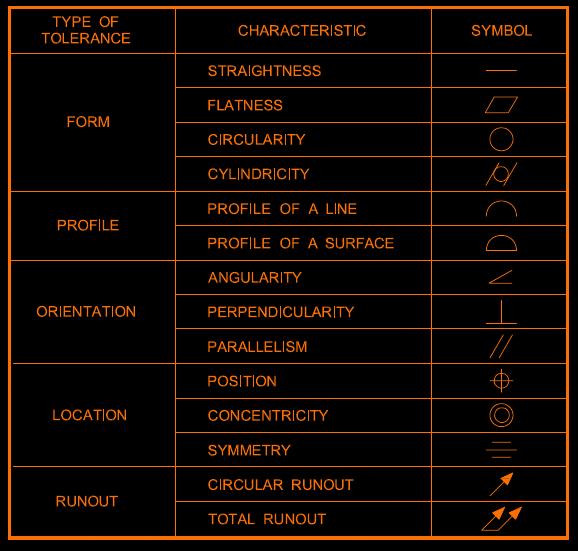
Ravnost se može smatrati kao da se sve tačke na površini nalaze unutar dvije paralelne ravni, osnovne ravni i ravni krova. Mjerenje udaljenosti između ravni predstavlja ukupnu ravnost površine. Ovo mjerenje ravnosti obično nosi toleranciju i može uključivati oznaku stepena.
Na primjer, tolerancije ravnosti za tri standardne klase definirane su u saveznoj specifikaciji prema sljedećoj formuli:
■ Laboratorijski stepen AA = (40 + dijagonala na kvadrat / 25) x 0,000001" (jednostrano)
■ Stepen inspekcije A = Laboratorijski stepen AA x 2
■ Alatnica, klasa B = laboratorijska klasa AA x 4.
Za površinske ploče standardne veličine, garantujemo tolerancije ravnosti koje premašuju zahtjeve ove specifikacije. Pored ravnosti, ASME B89.3.7-2013 i Federalna specifikacija GGG-P-463c obrađuju teme koje uključuju: tačnost ponovljenog mjerenja, svojstva materijala granitnih površinskih ploča, završnu obradu površine, lokaciju tačke oslonca, krutost, prihvatljive metode inspekcije, ugradnju navojnih umetaka itd.
ZHHIMG granitne površinske ploče i granitne inspekcijske ploče ispunjavaju ili premašuju sve zahtjeve navedene u ovoj specifikaciji. Trenutno ne postoji definirajuća specifikacija za granitne kutne ploče, paralele ili glavne kvadrate.
A formule za ostale standarde možete pronaći uPREUZMI.
Prvo, važno je održavati ploču čistom. Abrazivna prašina u zraku obično je najveći izvor habanja ploče, jer se obično ugrađuje u radne komade i kontaktne površine mjernih instrumenata. Drugo, pokrijte ploču kako biste je zaštitili od prašine i oštećenja. Vijek trajanja može se produžiti pokrivanjem ploče kada se ne koristi, periodičnim okretanjem ploče kako se jedno područje ne bi prekomjerno koristilo i zamjenom čeličnih kontaktnih pločica na mjernim instrumentima karbidnim pločicama. Također, izbjegavajte stavljanje hrane ili bezalkoholnih pića na ploču. Imajte na umu da mnoga bezalkoholna pića sadrže ugljičnu ili fosfornu kiselinu, koje mogu otopiti mekše minerale i ostaviti male udubljenja na površini.
Ovo zavisi od toga kako se tanjir koristi. Ako je moguće, preporučujemo čišćenje tanjira na početku dana (ili radne smjene) i ponovo na kraju. Ako se tanjir zaprlja, posebno masnim ili ljepljivim tekućinama, vjerovatno ga treba odmah očistiti.
Redovno čistite ploču tekućinom ili ZHHIMG sredstvom za čišćenje površina bez vode. Izbor otopina za čišćenje je važan. Ako se koristi hlapljivo otapalo (aceton, razrjeđivač laka, alkohol itd.), isparavanje će ohladiti površinu i iskriviti je. U tom slučaju, potrebno je omogućiti ploču da se normalizira prije upotrebe ili će doći do grešaka u mjerenju.
Količina vremena potrebna za normalizaciju ploče variraće u zavisnosti od veličine ploče i količine hlađenja. Sat vremena bi trebalo da bude dovoljno za manje ploče. Za veće ploče mogu biti potrebna dva sata. Ako se koristi sredstvo za čišćenje na bazi vode, doći će i do hlađenja isparavanjem.
Ploča će također zadržavati vodu, što bi moglo uzrokovati hrđanje metalnih dijelova koji su u kontaktu s površinom. Neka sredstva za čišćenje će također ostaviti ljepljivi ostatak nakon što se osuše, koji će privući prašinu iz zraka i zapravo povećati habanje, umjesto da ga smanji.
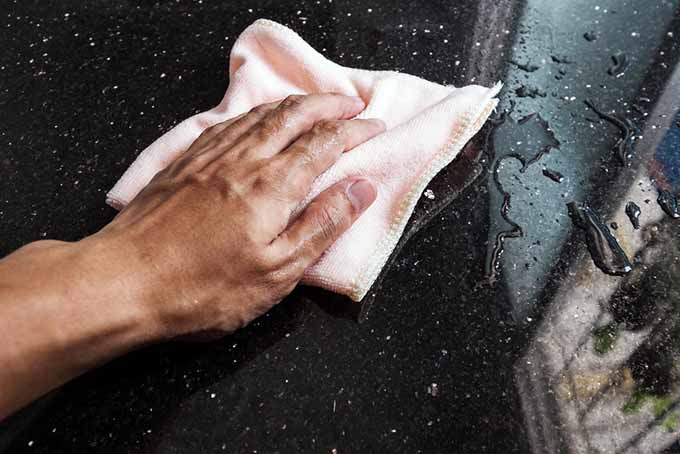
Ovo zavisi od upotrebe ploče i okruženja. Preporučujemo da se nova ploča ili precizni granitni pribor potpuno rekalibriraju u roku od godinu dana od kupovine. Ako će se granitna ploča intenzivno koristiti, preporučuje se skraćivanje ovog intervala na šest mjeseci. Mjesečna inspekcija za ponovljene greške mjerenja pomoću elektronske libele ili sličnog uređaja pokazat će sve tragove habanja u razvoju i traje samo nekoliko minuta. Nakon što se utvrde rezultati prve rekalibracije, interval kalibracije može se produžiti ili skratiti kako to dozvoljava ili zahtijeva vaš interni sistem kvaliteta.
Nudimo usluge pregleda i kalibracije vaše granitne ploče.

Postoji nekoliko mogućih uzroka za varijacije između kalibracija:
- Površina je oprana vrućim ili hladnim rastvorom prije kalibracije i nije joj bilo ostavljeno dovoljno vremena za normalizaciju.
- Ploča je nepravilno poduprta
- Promjena temperature
- Nacrti
- Direktna sunčeva svjetlost ili drugo toplotno zračenje na površini ploče. Pazite da stropna rasvjeta ne zagrijava površinu.
- Varijacije vertikalnog temperaturnog gradijenta između zime i ljeta (Ako je ikako moguće, znajte vertikalni gradijent temperature u trenutku kalibracije.)
- Ploči nije dato dovoljno vremena za normalizaciju nakon isporuke
- Nepravilna upotreba opreme za inspekciju ili upotreba nekalibrirane opreme
- Promjena površine usljed habanja
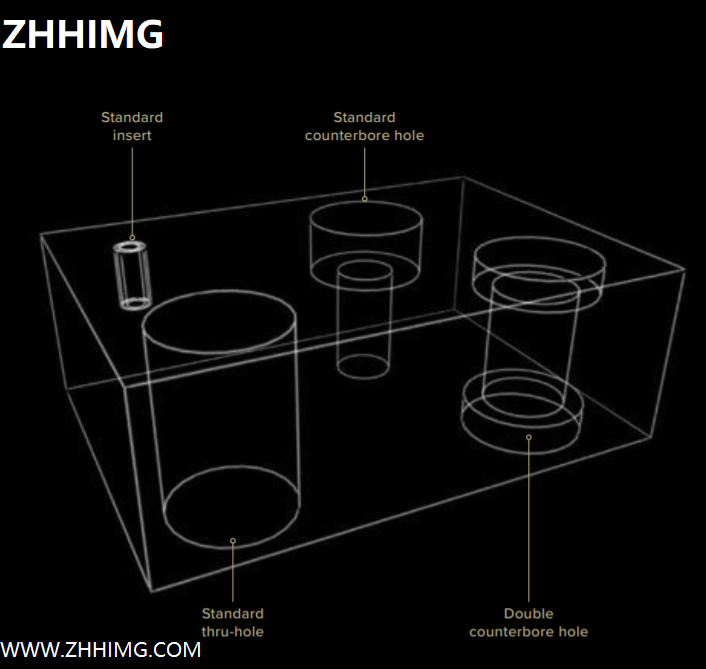
Koliko vrsta rupa ima na preciznom granitu?
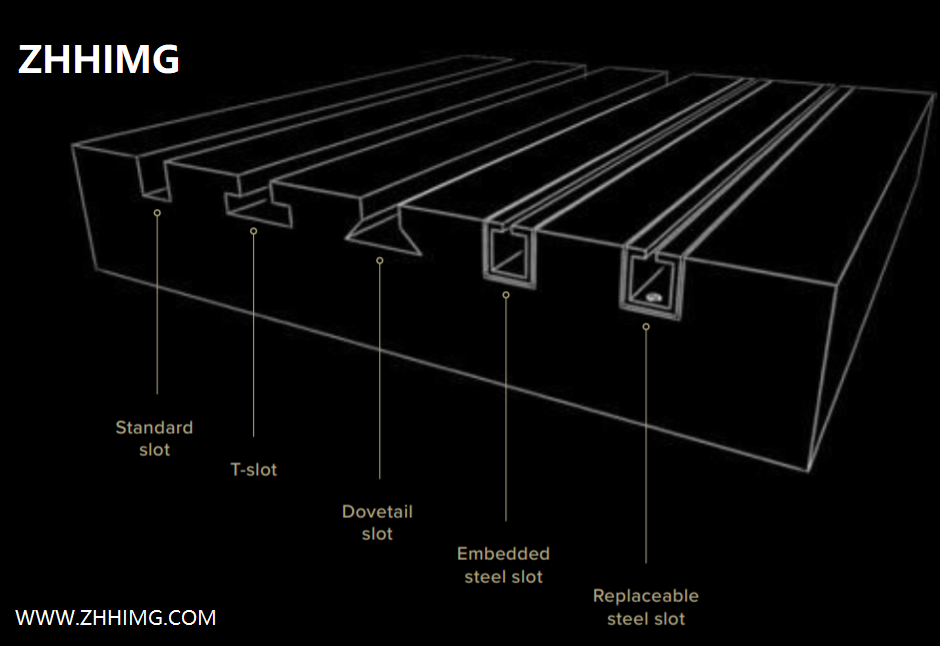
Utori na preciznim granitnim komponentama
Za mnoge fabrike, inspekcijske sobe i laboratorije, precizne granitne površinske ploče se oslanjaju kao osnova za tačno mjerenje. Budući da svako linearno mjerenje zavisi od tačne referentne površine sa koje se uzimaju konačne dimenzije, površinske ploče pružaju najbolju referentnu ravan za inspekciju rada i raspored prije mašinske obrade. One su također idealne osnove za mjerenje visine i mjerenje površina. Nadalje, visok stepen ravnosti, stabilnosti, ukupnog kvaliteta i izrade čini ih dobrim izborom za montažu sofisticiranih mehaničkih, elektronskih i optičkih mjernih sistema. Za bilo koji od ovih procesa mjerenja, neophodno je da površinske ploče budu kalibrirane.
Ponavljanje mjerenja i ravnost
I mjerenje ravnosti i ponovljena mjerenja su ključni za osiguranje precizne površine. Ravnost se može smatrati kao da se sve tačke na površini nalaze unutar dvije paralelne ravni, osnovne ravni i ravni krova. Mjerenje udaljenosti između ravni predstavlja ukupnu ravnost površine. Ovo mjerenje ravnosti obično nosi toleranciju i može uključivati oznaku stepena.
Tolerancije ravnosti za tri standardne klase definirane su u federalnoj specifikaciji prema sljedećoj formuli:
DIN standard, GB standard, ASME standard, JJS standard... različite zemlje s različitim standardima...
Pored ravnosti, mora se osigurati i ponovljivost. Ponovljeno mjerenje je mjerenje lokalnih područja ravnosti. To je mjerenje koje se vrši bilo gdje na površini ploče i koje će se ponavljati unutar navedene tolerancije. Kontroliranje lokalne ravnosti područja na užu toleranciju od ukupne ravnosti garantuje postepenu promjenu profila ravnosti površine, čime se minimiziraju lokalne greške.
Kako bi se osiguralo da površinska ploča ispunjava i specifikacije ravnosti i specifikacije ponovljenog mjerenja, proizvođači granitnih površinskih ploča trebaju koristiti Federalnu specifikaciju GGG-P-463c kao osnovu za svoje specifikacije. Ovaj standard se odnosi na tačnost ponovljenog mjerenja, svojstva materijala granitne površinske ploče, završnu obradu površine, lokaciju tačke oslonca, krutost, prihvatljive metode inspekcije i ugradnju navojnih umetaka.
Provjera tačnosti ploče
Slijedeći nekoliko jednostavnih smjernica, investicija u granitnu površinsku ploču trebala bi trajati dugi niz godina. U zavisnosti od upotrebe ploče, okruženja u radionici i potrebne tačnosti, učestalost provjere tačnosti površinske ploče varira. Opšte pravilo je da se nova ploča potpuno rekalibrira u roku od godinu dana od kupovine. Ako se ploča često koristi, preporučljivo je skratiti ovaj interval na šest mjeseci.
Prije nego što se površinska ploča istroši iznad specifikacija za ukupnu ravnost, pokazat će istrošene ili valovite stupiće. Mjesečna inspekcija grešaka ponovljenog mjerenja pomoću mjerača za ponovljeno očitavanje identificirat će mjesta habanja. Mjerač za ponovljeno očitavanje je visokoprecizni instrument koji detektuje lokalne greške i može se prikazati na elektronskom pojačalu velikog uvećanja.
Efikasan program inspekcije treba da uključuje redovne provjere autokolimatorom, omogućavajući stvarnu kalibraciju ukupne ravnosti koja se može pratiti do Nacionalnog instituta za standarde i tehnologiju (NIST). S vremena na vrijeme je neophodna sveobuhvatna kalibracija od strane proizvođača ili nezavisne kompanije.
Varijacije između kalibracija
U nekim slučajevima postoje varijacije između kalibracija površinskih ploča. Ponekad faktori poput promjene površine usljed habanja, nepravilne upotrebe opreme za inspekciju ili upotrebe nekalibrirane opreme mogu objasniti ove varijacije. Međutim, dva najčešća faktora su temperatura i podloga.
Jedna od najvažnijih varijabli je temperatura. Na primjer, površina je možda oprana vrućim ili hladnim rastvorom prije kalibracije i nije joj dato dovoljno vremena za normalizaciju. Drugi uzroci promjene temperature uključuju propuh hladnog ili vrućeg zraka, direktnu sunčevu svjetlost, stropnu rasvjetu ili druge izvore toplotnog zračenja na površini ploče.
Također mogu postojati varijacije u vertikalnom temperaturnom gradijentu između zime i ljeta. U nekim slučajevima, ploči nije ostavljeno dovoljno vremena da se normalizuje nakon isporuke. Dobra je ideja zabilježiti vertikalni gradijent temperature u trenutku kalibracije.
Drugi uobičajeni uzrok varijacija kalibracije je ploča koja je nepravilno poduprta. Površinska ploča treba biti poduprta na tri tačke, idealno smještene 20% dužine od krajeva ploče. Dva nosača trebaju biti smještena 20% širine od dužih stranica, a preostali nosač treba biti centriran.
Samo tri tačke mogu čvrsto ležati na bilo čemu osim na preciznoj površini. Pokušaj podupiranja ploče na više od tri tačke uzrokovat će da ploča dobije oslonac od različitih kombinacija tri tačke, koje neće biti iste tri tačke na kojima je bila poduprta tokom proizvodnje. To će uzrokovati greške jer se ploča savija kako bi se prilagodila novom rasporedu podupiranja. Razmislite o korištenju čeličnih postolja s potpornim gredama dizajniranim da se poravnaju s odgovarajućim potpornim tačkama. Postolja za ovu svrhu su obično dostupna od proizvođača površinske ploče.
Ako je ploča pravilno poduprta, precizno nivelisanje je potrebno samo ako to zahtijeva primjena. Nivelisanje nije neophodno za održavanje tačnosti pravilno poduprte ploče.
Produžite vijek trajanja ploče
Slijeđenje nekoliko smjernica smanjit će habanje granitne ploče i u konačnici produžiti njen vijek trajanja.
Prvo, važno je održavati ploču čistom. Abrazivna prašina u zraku obično je najveći izvor habanja ploče, jer se obično ugrađuje u radne komade i kontaktne površine mjernih instrumenata.
Također je važno pokriti ploče kako biste ih zaštitili od prašine i oštećenja. Vijek trajanja može se produžiti pokrivanjem ploče kada se ne koristi.
Povremeno rotirajte ploču kako se jedno područje ne bi prekomjerno koristilo. Također se preporučuje zamjena čeličnih kontaktnih pločica na mjernim instrumentima karbidnim pločicama.
Izbjegavajte stavljanje hrane ili bezalkoholnih pića na tanjir. Mnoga bezalkoholna pića sadrže ugljičnu ili fosfornu kiselinu, koje mogu otopiti mekše minerale i ostaviti male udubine na površini.
Gdje se ponovo opustiti
Kada je potrebno obnoviti površinu granitne ploče, razmislite o tome da li da se ta usluga obavi na licu mjesta ili u kalibracijskom centru. Uvijek je poželjno da se ploča obnovi u fabrici ili u posebnom centru. Međutim, ako ploča nije previše istrošena, uglavnom unutar 0,001 inča od potrebne tolerancije, može se obnoviti na licu mjesta. Ako je ploča istrošena do te mjere da je više od 0,001 inča izvan tolerancije ili ako je jako oštećena ili izgrebana, tada je treba poslati u fabriku na brušenje prije ponovnog oblaganja.
Kalibracijsko postrojenje ima opremu i fabričke postavke koje pružaju optimalne uslove za pravilnu kalibraciju ploča i ponovnu obradu ako je potrebno.
Prilikom odabira tehničara za kalibraciju i obnovu površine na licu mjesta treba biti vrlo pažljiv. Zatražite akreditaciju i provjerite da li oprema koju će tehničar koristiti ima sljedivu kalibraciju. Iskustvo je također važan faktor, jer je potrebno mnogo godina da se nauči kako pravilno obrađivati precizni granit.
Kritična mjerenja počinju s preciznom granitnom površinskom pločom kao bazom. Osiguravanjem pouzdane reference korištenjem pravilno kalibrirane površinske ploče, proizvođači imaju jedan od bitnih alata za pouzdana mjerenja i dijelove boljeg kvaliteta.Q
Kontrolna lista za varijacije kalibracije
1. Površina je oprana vrućim ili hladnim rastvorom prije kalibracije i nije joj bilo ostavljeno dovoljno vremena za normalizaciju.
2. Ploča je nepravilno poduprta.
3. Promjena temperature.
4. Nacrti.
5. Direktna sunčeva svjetlost ili drugo toplotno zračenje na površini ploče. Pazite da gornja rasvjeta ne zagrijava površinu.
6. Varijacije vertikalnog temperaturnog gradijenta između zime i ljeta. Ako je ikako moguće, znajte vertikalni gradijent temperature u trenutku kalibracije.
7. Ploči nije dato dovoljno vremena za normalizaciju nakon isporuke.
8. Nepravilna upotreba opreme za inspekciju ili upotreba nekalibrirane opreme.
9. Promjena površine usljed habanja.
Tehnički savjeti
- Budući da svako linearno mjerenje zavisi od tačne referentne površine sa koje se uzimaju konačne dimenzije, površinske ploče pružaju najbolju referentnu ravan za inspekciju rada i raspored prije obrade.
- Kontroliranje lokalne ravnosti područja na užu toleranciju od ukupne ravnosti garantuje postepenu promjenu profila ravnosti površine, čime se minimiziraju lokalne greške.
- Učinkovit program inspekcije trebao bi uključivati redovne provjere autokolimatorom, omogućavajući stvarnu kalibraciju ukupne ravnosti koja se može pratiti do Nacionalnog inspekcijskog organa.
Među mineralnim česticama koje čine granit, više od 90% čine feldspat i kvarc, od kojih je feldspat najzastupljeniji. Feldspat je često bijele, sive i boje kože, a kvarc je uglavnom bezbojan ili sivkasto bijel, što čini osnovnu boju granita. Feldspat i kvarc su tvrdi minerali i teško ih je pomicati čeličnim nožem. Što se tiče tamnih mrlja u granitu, uglavnom crnog tinjca, postoje i neki drugi minerali. Iako je biotit relativno mekan, njegova sposobnost da se odupre naprezanju nije slaba, a istovremeno ih ima u maloj količini u granitu, često manje od 10%. Ovo je materijalno stanje u kojem je granit posebno jak.
Još jedan razlog zašto je granit čvrst je taj što su njegove mineralne čestice čvrsto povezane jedna s drugom i ugrađene jedna u drugu. Pore često čine manje od 1% ukupne zapremine stijene. To daje granitu sposobnost da izdrži jake pritiske i ne prodire lako u njega vlaga.
Granitne komponente su izrađene od kamena koji ne hrđa, otporan je na kiseline i alkalije, ima dobru otpornost na habanje i dug vijek trajanja, te ne zahtijeva posebno održavanje. Precizne granitne komponente se uglavnom koriste u alatima mašinske industrije. Stoga se nazivaju preciznim granitnim komponentama ili granitnim komponentama. Karakteristike preciznih granitnih komponenti su u osnovi iste kao i karakteristike granitnih platformi. Uvod u alate i mjerenje preciznih granitnih komponenti: Precizna obrada i tehnologija mikroobrade su važni pravci razvoja mašinske industrije i postale su važan pokazatelj za mjerenje visokog tehnološkog nivoa. Razvoj najsavremenije tehnologije i odbrambene industrije je neodvojiv od precizne obrade i tehnologije mikroobrade. Granitne komponente se mogu glatko kliziti tokom mjerenja, bez stagnacije. Mjerenje radne površine, opšte ogrebotine ne utiču na tačnost mjerenja. Granitne komponente moraju biti dizajnirane i proizvedene prema zahtjevima potražnje.
Područje primjene:
Kao što svi znamo, sve više mašina i opreme bira precizne granitne komponente.
Granitne komponente se koriste za dinamičko kretanje, linearne motore, CMM, CNC, laserske mašine...
slobodno nas kontaktirajte za više informacija.
Granitni mjerni uređaji i granitne mehaničke komponente izrađeni su od visokokvalitetnog Jinan crnog granita. Zbog svoje visoke preciznosti, dugog vijeka trajanja, dobre stabilnosti i otpornosti na koroziju, sve se više koriste u inspekciji proizvoda moderne industrije i naučnim oblastima kao što su mehanička, vazduhoplovna i naučna istraživanja.
Prednosti
----Dvostruko tvrđe od lijevanog željeza;
----Minimalne promjene dimenzija su zbog promjena temperature;
----Bez cijeđenja, tako da nema prekida rada;
----Bez neravnina ili izbočina zbog fino zrnate strukture i neznatne ljepljivosti, što osigurava visok stepen ravnosti tokom dugog vijeka trajanja i ne uzrokuje oštećenja drugih dijelova ili instrumenata;
----Besprijekoran rad za upotrebu s magnetskim materijalima;
----Dug vijek trajanja i otpornost na hrđu, što rezultira niskim troškovima održavanja.
Precizne granitne površinske ploče su precizno obrađene do visokog standarda ravnosti kako bi se postigla tačnost i koriste se kao osnova za montažu sofisticiranih mehaničkih, elektronskih i optičkih mjernih sistema.
Neke od jedinstvenih karakteristika granitne površinske ploče:
Ujednačenost tvrdoće;
Tačni uslovi pod opterećenjem;
Apsorber vibracija;
Lako se čisti;
Otporno na omotavanje;
Niska poroznost;
Neabrazivno;
Nemagnetski
Prednosti granitne površinske ploče
Prvo, stijena nakon dugog perioda prirodnog starenja, ima ujednačenu strukturu, minimalni koeficijent, unutrašnji napon potpuno nestaje, nije deformisana, tako da je preciznost visoka.
Drugo, neće biti ogrebotina, ne pod konstantnim temperaturnim uslovima, na sobnoj temperaturi takođe može održati tačnost merenja temperature.
Treće, bez magnetizacije, mjerenje može biti glatko kretanje, bez škripanja, nije pod utjecajem vlage, ravan je fiksna.
Četvrto, krutost je dobra, tvrdoća je visoka, otpornost na abraziju je jaka.
Pet, ne boji se kiseline, erozije alkalnim tekućinama, neće hrđati, ne mora se farbati uljem, nije lako zalijepiti mikro-prašinu, održavanje, lako se održava, dug vijek trajanja.
Zašto odabrati granitnu bazu umjesto kreveta od lijevanog željeza?
1. Granitna baza mašine može održati veću preciznost od baze mašine od lijevanog željeza. Baza mašine od lijevanog željeza lako je podložna utjecaju temperature i vlage, ali granitna baza mašine neće;
2. Sa istom veličinom baze mašine od granita i baze od lijevanog željeza, baza mašine od granita je isplativija od baze od lijevanog željeza;
3. Specijalna granitna baza mašine se lakše obrađuje od baze mašine od lijevanog željeza.
Granitne ploče su ključni instrumenti u inspekcijskim laboratorijama širom zemlje. Kalibrirana, izuzetno ravna površina površinske ploče omogućava inspektorima da ih koriste kao osnovu za inspekcije dijelova i kalibraciju instrumenata. Bez stabilnosti koju pružaju površinske ploče, mnoge dijelove s uskim tolerancijama u raznim tehnološkim i medicinskim oblastima bilo bi mnogo teže, ako ne i nemoguće, pravilno proizvesti. Naravno, da bi se granitni blok koristio za kalibraciju i inspekciju drugih materijala i alata, mora se procijeniti tačnost samog granita. Korisnici mogu kalibrirati granitnu površinsku ploču kako bi osigurali njenu tačnost.
Očistite površinu granitne ploče prije kalibracije. Sipajte malu količinu sredstva za čišćenje površine ploče na čistu, meku krpu i obrišite površinu granita. Odmah osušite sredstvo za čišćenje s površine ploče suhom krpom. Ne dozvolite da se tekućina za čišćenje osuši na zraku.
Postavite mjerni instrument za ponovljeno mjerenje na sredinu granitne ploče.
Ponovo namjestite mjerni instrument na površinu granitne ploče.
Polako pomičite mjerač preko površine granita. Pratite indikator mjerača i zabilježite vrhove bilo kakvih promjena visine dok pomičete instrument preko ploče.
Uporedite varijacije ravnosti na površini ploče s tolerancijama za vašu površinsku ploču, koje variraju ovisno o veličini ploče i stupnju ravnosti granita. Pogledajte federalnu specifikaciju GGG-P-463c (pogledajte Resurse) kako biste utvrdili da li vaša ploča ispunjava zahtjeve ravnosti za svoju veličinu i stupanj ravnosti. Varijacija između najviše i najniže tačke na ploči je mjera ravnosti.
Provjerite da li najveće varijacije dubine na površini ploče spadaju u specifikacije ponovljivosti za ploču te veličine i klase. Pogledajte federalnu specifikaciju GGG-P-463c (vidi Resurse) kako biste utvrdili da li vaša ploča ispunjava zahtjeve ponovljivosti za svoju veličinu. Odbacite površinsku ploču ako čak i jedna tačka ne ispunjava zahtjeve ponovljivosti.
Prestanite koristiti granitnu površinsku ploču koja ne ispunjava federalne zahtjeve. Vratite ploču proizvođaču ili kompaniji za obradu granitnih površina kako bi se blok ponovo ispolirao u skladu sa specifikacijama.
Napojnica
Formalne kalibracije treba obavljati barem jednom godišnje, iako bi granitne ploče koje se intenzivno koriste trebale biti kalibrirane češće.
Formalnu, dokumentiranu kalibraciju u proizvodnim ili inspekcijskim okruženjima često provodi osiguranje kvalitete ili vanjski dobavljač usluga kalibracije, iako svatko može koristiti mjerač za ponovljeno mjerenje kako bi neformalno provjerio površinsku ploču prije upotrebe.
Rana historija granitnih površinskih ploča
Prije Drugog svjetskog rata, proizvođači su koristili čelične površinske ploče za dimenzionalnu inspekciju dijelova. Tokom Drugog svjetskog rata potreba za čelikom se dramatično povećala i mnoge čelične površinske ploče su rastopljene. Bila je potrebna zamjena, a granit je postao materijal izbora zbog svojih superiornih metroloških svojstava.
Nekoliko prednosti granita u odnosu na čelik postalo je očiglednih. Granit je tvrđi, iako krhkiji i podložniji ljuštenju. Granit se može obrađivati do mnogo veće ravnosti i brže nego čelik. Granit također ima poželjno svojstvo nižeg termičkog širenja u poređenju sa čelikom. Nadalje, ako je čelična ploča trebala popravku, morali su je ručno ostrugati majstori koji su također primjenjivali svoje vještine u obnovi alatnih mašina.
Kao usputna napomena, neke čelične površinske ploče se i danas koriste.
Metrološka svojstva granitnih ploča
Granit je magmatska stijena nastala vulkanskim erupcijama. Poređenja radi, mramor je metamorfozirani krečnjak. Za metrološke svrhe, odabrani granit treba da ispunjava specifične zahtjeve navedene u Federalnoj specifikaciji GGG-P-463c, od sada nazvanoj Fed Specs, a posebno u Dio 3.1 3.1. Među Fed Specs, granit treba da bude sitno do srednje zrnaste teksture.
Granit je tvrdi materijal, ali njegova tvrdoća varira iz nekoliko razloga. Iskusni tehničar za granitne ploče može procijeniti tvrdoću po boji, što je pokazatelj sadržaja kvarca. Tvrdoća granita je svojstvo koje je dijelom definirano količinom kvarca i nedostatkom tinjca. Crveni i ružičasti graniti su obično najtvrđi, sivi su srednje tvrdoće, a crni su najmekši.
Youngov modul elastičnosti koristi se za izražavanje fleksibilnosti ili indikaciju tvrdoće kamena. Ružičasti granit u prosjeku ima 3-5 bodova na skali, sivi 5-7 bodova, a crni 7-10 bodova. Što je broj manji, granit je obično tvrđi. Što je broj veći, granit je mekši i fleksibilniji. Važno je znati tvrdoću granita pri odabiru debljine potrebne za stepene tolerancije i težine dijelova i mjerača koji se postavljaju na njega.
U stara vremena, kada su postojali pravi mašinisti, poznati po svojim knjižicama s trigonometrijskim tablicama u džepovima košulja, crni granit se smatrao "najboljim". Najbolji se definisao kao vrsta koja je pružala najveću otpornost na habanje ili je bila tvrđa. Jedan nedostatak je što se tvrđi graniti lakše kržu ili udubljuju. Mašinisti su bili toliko uvjereni da je crni granit najbolji da su ih neki proizvođači ružičastog granita farbali u crno.
Lično sam svjedočio ploči koja je ispuštena s viljuškara prilikom premještanja iz skladišta. Ploča je pala na pod i prepolovila se, otkrivajući pravu ružičastu boju. Budite oprezni ako planirate kupovinu crnog granita iz Kine. Preporučujemo da svoj novac trošite na neki drugi način. Granitna ploča može varirati u tvrdoći. Pruga kvarca može biti mnogo tvrđa od ostatka površinske ploče. Sloj crnog gabra može učiniti područje mnogo mekšim. Dobro obučeni, iskusni tehničari za popravak površinskih ploča znaju kako rukovati ovim mekim područjima.
Vrste površinskih ploča
Postoje četiri klase površinskih ploča. Laboratorijska klasa AA i A, klasa B za inspekciju u prostoriji, a četvrta je klasa za radionicu. Klase AA i A su najravnije s tolerancijama ravnosti boljom od 0,00001 inča za ploču klase AA. Klase za radionicu su najmanje ravne i, kao što ime sugerira, namijenjene su za upotrebu u alatnicama. Dok su klase AA, klase A i klase B namijenjene za upotrebu u laboratoriju za inspekciju ili kontrolu kvaliteta.
PIspitivanje ropera za kalibraciju površinske ploče
Uvijek sam govorio svojim mušterijama da mogu izvući bilo koje desetogodišnjake iz svoje crkve i naučiti ih za samo nekoliko dana kako da testiraju ploču. Nije teško. Potrebna je određena tehnika da bi se zadatak brzo izvršio, tehnike koje se uče vremenom i uz mnogo ponavljanja. Trebao bih vas obavijestiti, i ne mogu dovoljno naglasiti, da Fed Spec GGG-P-463c NIJE postupak kalibracije! Više o tome kasnije.
Kalibracija provjere ukupne ravnosti (srednja ploča) i ponovljivosti (lokalizirano habanje) je obavezna prema FED specifikacijama. Jedini izuzetak od ovoga su male ploče gdje je potrebna samo ponovljivost.
Također, jednako važan kao i ostali testovi, je test termalnih gradijenata. (Pogledajte Delta T ispod)
Slika 1
Ispitivanje ravnosti ima 4 odobrene metode. Elektronske libele, autokolimacija, laser i uređaj poznat kao lokator ravni. Koristimo samo elektronske libele jer su najpreciznija i najbrža metoda iz nekoliko razloga.
Laseri i autokolimatori koriste vrlo ravan snop svjetlosti kao referencu. Mjerenje pravolinijosti površinske ploče granita vrši se upoređivanjem varijacije udaljenosti između površinske ploče i svjetlosnog snopa. Uzimanjem ravnog snopa svjetlosti, njegovim usmjeravanjem na reflektorsku metu dok se reflektorska meta pomiče niz površinsku ploču, udaljenost između emitiranog snopa i povratnog snopa je mjerenje pravolinijosti.
Evo u čemu je problem s ovom metodom. Na metu i izvor utječu vibracije, temperatura okoline, meta koja nije ravna ili izgrebana, kontaminacija u zraku i kretanje zraka (struje). Sve to doprinosi dodatnim komponentama greške. Nadalje, doprinos greške operatera od provjera autokolimatorom je veći.
Iskusan korisnik autokolimatora može izvršiti vrlo precizna mjerenja, ali se i dalje suočava s problemima konzistentnosti očitanja, posebno na većim udaljenostima, jer se refleksije obično šire ili postaju malo zamućene. Također, meta koja nije savršeno ravna i dug dan gledanja kroz objektiv uzrokuju dodatne greške.
Uređaj za lociranje ravni je jednostavno glup. Ovaj uređaj koristi donekle ravan (u poređenju sa izuzetno ravnim kolimiranim ili laserskim snopom svjetlosti) kao referencu. Ne samo da mehanički uređaj koristi indikator obično rezolucije od samo 20 μ inča, već i neravnina šipke i različiti materijali značajno doprinose greškama u mjerenju. Po našem mišljenju, iako je metoda prihvatljiva, nijedna kompetentna laboratorija nikada ne bi koristila uređaj za lociranje ravni kao instrument za završnu inspekciju.
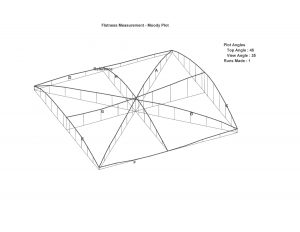
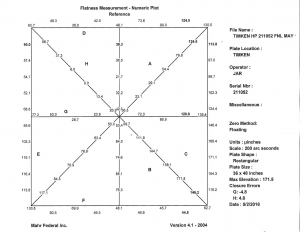
Elektronski libeli koriste gravitaciju kao referencu. Diferencijalni elektronski libeli nisu pod utjecajem vibracija. Imaju rezoluciju od samo 0,1 lučne sekunde, a mjerenja su brza, tačna i postoji vrlo mali doprinos greškama od strane iskusnog operatera. Ni lokatori ravni ni autokolimatori ne pružaju računarski generirane topografske (Slika 1) ili izometrijske grafikone (Slika 2) površine.
Slika 2
Ispitivanje pravilne ravnosti površine
Ispravna ravnost površine prilikom ispitivanja je toliko važan dio ovog rada da sam je trebao staviti na početak. Kao što je ranije navedeno, Fed Spec. GGG-p-463c NIJE metoda kalibracije. Ona služi kao vodič za mnoge aspekte granita metrološkog kvaliteta čiji je namijenjeni kupac bilo koja savezna vladina agencija, a to uključuje metode ispitivanja i tolerancije ili klase. Ako izvođač radova tvrdi da se pridržavao Fed Spec., tada će se vrijednost ravnosti odrediti Moodyjevom metodom.
Moody je bio čovjek iz davnih pedesetih koji je osmislio matematičku metodu za određivanje ukupne ravnosti i uzimanje u obzir orijentacije testiranih linija, odnosno da li su dovoljno blizu u istoj ravni. Ništa se nije promijenilo. Allied Signal je pokušao poboljšati matematičku metodu, ali je zaključio da su razlike toliko male da se trud ne isplati.
Ako izvođač radova na površinskim pločama koristi elektronske libele ili laser, koristi računar kao pomoć pri proračunima. Bez pomoći računara, tehničar koji koristi autokolimaciju mora ručno izračunati očitanja. U stvarnosti, oni to ne rade. To traje predugo i, iskreno, može biti previše izazovno. U testu ravnosti korištenjem Moody metode, tehničar testira osam linija u konfiguraciji britanske zastavice na pravolinijsku ravnost.
Moodyjeva metoda
Moodyjeva metoda je matematički način određivanja da li se osam linija nalazi u istoj ravni. U suprotnom, imate samo 8 pravih linija koje mogu, ali i ne moraju biti u ili blizu iste ravni. Nadalje, izvođač radova koji tvrdi da se pridržava Fed Specifikacija i koristi autokolimaciju, on...moragenerirati osam stranica podataka. Jedna stranica za svaku provjerenu liniju kako bi se dokazalo njegovo testiranje, popravak ili oboje. U suprotnom, izvođač radova nema pojma koja je stvarna vrijednost ravnosti.
Siguran sam da ako ste jedna od onih osoba kojima izvođač radova kalibrira ploče koristeći autokolimaciju, nikada niste vidjeli te stranice! Slika 3 je primjersamo jedanStranica od osam potrebnih za izračunavanje ukupne ravnosti. Jedan pokazatelj tog neznanja i zlobe je ako vaš izvještaj ima lijepo zaokružene brojeve. Na primjer, 200, 400, 650, itd. Ispravno izračunata vrijednost je realni broj. Na primjer 325,4 u In. Kada izvođač radova koristi Moodyjevu metodu izračunavanja, a tehničar ručno izračunava vrijednosti, trebali biste dobiti osam stranica proračuna i izometrijski grafikon. Izometrijski grafikon prikazuje različite visine duž različitih linija i koliko udaljenosti razdvaja odabrane tačke presjeka.
Slika 3(Potrebno je osam ovakvih stranica da se ručno izračuna ravnost. Obavezno pitajte zašto ovo ne dobijate ako vaš izvođač radova koristi autokolimaciju!)
Slika 4
Tehničari za dimenzionalne mjerače koriste diferencijalne libele (Slika 4) kao preferirane uređaje za mjerenje najmanjih promjena ugaonosti od mjerne stanice do stanice. Libele imaju rezoluciju do 0,1 lučne sekunde (5 u inča korištenjem klizača od 4″), izuzetno su stabilne, nisu pod utjecajem vibracija, izmjerenih udaljenosti, strujanja zraka, umora operatera, kontaminacije zraka ili bilo kojeg problema svojstvenog drugim uređajima. Dodajte pomoć računara i zadatak postaje relativno brz, generirajući topografske i izometrijske dijagrame koji dokazuju verifikaciju i, što je najvažnije, popravku.
Pravilan test ponovljivosti
Ponovljivo očitavanje ili ponovljivost je najvažniji test. Oprema koju koristimo za izvođenje testa ponovljivosti je uređaj za ponovljivo očitavanje, LVDT i pojačalo potrebno za očitavanja visoke rezolucije. LVDT pojačalo podešavamo na minimalnu rezoluciju od 10 u inča ili 5 u inča za ploče visoke tačnosti.
Korištenje mehaničkog indikatora s rezolucijom od samo 20 u inča je beskorisno ako pokušavate testirati zahtjev za ponovljivost od 35 u inča. Indikatori imaju nesigurnost od 40 u inča! Postavka za ponovljeno očitavanje oponaša konfiguraciju visinskog mjerača/dijela.
Ponovljivost NIJE isto što i ukupna ravnost (srednja ravan). Volim da ponovljivost kod granita posmatram kao konzistentno mjerenje radijusa.
Slika 5
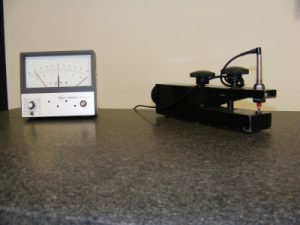
Ako testirate ponovljivost okrugle kugle, onda ste pokazali da se radijus kugle nije promijenio. (Idealan profil pravilno popravljene ploče ima konveksni, zaobljeni oblik.) Međutim, očigledno je da kugla nije ravna. Pa, donekle. Na izuzetno kratkoj udaljenosti, ona je ravna. Budući da većina inspekcijskih radova uključuje visinomjer vrlo blizu dijela, ponovljivost postaje najvažnije svojstvo granitne ploče. Važnija je ukupna ravnost, osim ako korisnik ne provjerava ravnost dugog dijela.
Pobrinite se da vaš izvođač radova izvrši test ponovnog očitavanja. Ploča može imati ponovljeno očitavanje značajno izvan tolerancije, ali ipak proći test ravnosti! Nevjerovatno je da laboratorija može dobiti akreditaciju za testiranje koje ne uključuje test ponovnog očitavanja. Laboratorija koja ne može popravljati ili nije baš dobra u popravljanju preferira samo testiranje ravnosti. Ravnost se rijetko mijenja osim ako ne pomjerate ploču.
Ponovljeno očitavanje je najlakše za testiranje, ali najteže za postići prilikom lepanja. Pobrinite se da vaš izvođač radova može obnoviti ponovljivost bez "izbočenja" površine ili ostavljanja valova na površini.
Delta T test
Ovaj test uključuje mjerenje STVARNE temperature kamena na njegovoj gornjoj i donjoj površini i izračunavanje razlike, Delta T, za izvještavanje na certifikatu.
Važno je znati da je prosječni koeficijent termičkog širenja granita 3,5 uIn/Inch/Step. Utjecaj temperature okoline i vlažnosti na granitnu ploču je zanemariv. Međutim, površina ploče može izaći izvan tolerancije ili se ponekad poboljšati čak i ako je Delta T od 0,3 – 0,5 stepeni Fahrenheita. Potrebno je znati da li je Delta T unutar 0,12 stepeni Fahrenheita od razlike od posljednje kalibracije.
Također je važno znati da radna površina ploče prelazi u smjeru topline. Ako je gornja temperatura toplija od donje, tada se gornja površina podiže. Ako je donja toplija, što je rijetko, tada se gornja površina spušta. Nije dovoljno da menadžer kvalitete ili tehničar zna da je ploča ravna i ponovljiva u vrijeme kalibracije ili popravke, već kakva je bila njena Delta T u vrijeme konačnog kalibracijskog testiranja. U kritičnim situacijama korisnik može, mjerenjem Delta T samostalno, utvrditi da li je ploča izašla izvan tolerancije isključivo zbog varijacija Delta T. Srećom, granitu je potrebno mnogo sati ili čak dana da se aklimatizira na okolinu. Manje fluktuacije temperature okoline tokom dana neće na to utjecati. Iz tih razloga ne izvještavamo o kalibracijskoj temperaturi ili vlažnosti okoline jer su efekti zanemarivi.
Habanje granitnih ploča
Iako je granit tvrđi od čeličnih ploča, granit ipak razvija udubljenja na površini. Ponavljano pomicanje dijelova i mjerača na površinskoj ploči najveći je izvor habanja, posebno ako se isto područje stalno koristi. Prljavština i prašina od brušenja koje ostaju na površini ploče ubrzavaju proces habanja jer dospijevaju između dijelova ili mjerača i površine granita. Prilikom pomicanja dijelova i mjerača po njenoj površini, abrazivna prašina je obično uzrok dodatnog habanja. Toplo preporučujem stalno čišćenje kako bi se smanjilo habanje. Vidjeli smo habanje ploča uzrokovano dnevnim UPS isporukama paketa postavljenih na vrh ploča! Ta lokalizirana područja habanja utječu na očitanja testa ponovljivosti kalibracije. Izbjegavajte habanje redovnim čišćenjem.
Čišćenje granitnih ploča
Da biste ploču održali čistom, koristite ljepljivu krpu za uklanjanje prašine. Samo lagano pritisnite kako ne biste ostavili ostatke ljepila. Dobro korištena ljepljiva krpa odlično skuplja prašinu od brušenja između čišćenja. Nemojte raditi na istom mjestu. Pomičite svoj uređaj po ploči, ravnomjerno raspoređujući habanje. U redu je koristiti alkohol za čišćenje ploče, ali imajte na umu da će to privremeno prehladiti površinu. Voda s malom količinom sapuna je odlična. Komercijalno dostupna sredstva za čišćenje, poput Starrettovog sredstva za čišćenje, također su odlična za korištenje, ali pazite da uklonite sve ostatke sapuna s površine.
Popravak granitnih ploča
Do sada bi trebalo biti očigledno koliko je važno osigurati da vaš izvođač radova za površinsku obradu izvrši kompetentnu kalibraciju. Laboratoriji tipa "Clearing House" koji nude programe "Uradite sve jednim pozivom" rijetko imaju tehničara koji može izvršiti popravke. Čak i ako nude popravke, nemaju uvijek tehničara koji ima potrebno iskustvo kada je površinska ploča značajno izvan tolerancije.
Ako vam kažemo da se ploča ne može popraviti zbog ekstremnog habanja, pozovite nas. Najvjerovatnije možemo izvršiti popravku.
Naši tehničari rade pripravnički staž u trajanju od jedne do jedne i po godine kod glavnog tehničara za površinske ploče. Glavnog tehničara za površinske ploče definiramo kao nekoga ko je završio pripravnički staž i ima preko deset godina iskustva u kalibraciji i popravci površinskih ploča. U Dimensional Gaugeu imamo tri glavna tehničara sa preko 60 godina ukupnog iskustva. Jedan od naših glavnih tehničara je uvijek dostupan za podršku i smjernice u teškim situacijama. Svi naši tehničari imaju iskustva u kalibracijama površinskih ploča svih veličina, od malih do vrlo velikih, u različitim uvjetima okoline, različitim industrijama i kod većih problema s habanjem.
Fed Specs imaju specifičan zahtjev za završnu obradu od 16 do 64 prosječne aritmetičke hrapavosti (AA). Mi preferiramo završnu obradu u rasponu od 30-35 AA. Hrapavost je taman toliko velika da se osigura glatko kretanje dijelova i mjerača, bez lijepljenja ili uvijanja na površinu ploče.
Prilikom popravke, provjeravamo ploču da li je pravilno montirana i nivelirana. Koristimo metodu suhog lepljenja, ali u slučajevima ekstremnog habanja koje zahtijeva znatno uklanjanje granita, koristimo mokro lepljenje. Naši tehničari čiste za sobom, temeljiti su, brzi i precizni. To je važno jer cijena servisa granitne ploče uključuje vaše vrijeme zastoja i gubitak proizvodnje. Kompetentan popravak je od najveće važnosti i nikada ne biste trebali birati izvođača radova na osnovu cijene ili praktičnosti. Neki poslovi kalibracije zahtijevaju visoko obučene pojedince. Mi to imamo.
Završni izvještaji o kalibraciji
Za svaku popravku i kalibraciju površinske ploče, pružamo detaljne profesionalne izvještaje. Naši izvještaji sadrže značajnu količinu i kritičnih i relevantnih informacija. Fed Spec. zahtijeva većinu informacija koje smo mi pružili. Isključujući one sadržane u drugim standardima kvalitete kao što je ISO/IEC-17025, minimalne Fed Spec. za izvještaje su:
- Veličina u stopama (X' x X')
- Boja
- Stil (odnosi se na bez steznih ivica ili sa dve ili četiri ivice)
- Procijenjeni modul elastičnosti
- Tolerancija srednje ravni (određena prema vrsti/veličini)
- Tolerancija ponavljanja očitavanja (određena dijagonalnom dužinom u inčima)
- Srednja ravan kako je pronađena
- Srednja ravan kao lijevo
- Ponovite čitanje kako je pronađeno
- Ponovite čitanje kao lijevo
- Delta T (Temperaturna razlika između gornje i donje površine)
Ako tehničar treba izvršiti radove na preklapanju ili popravci površinske ploče, tada se uz certifikat o kalibraciji prilaže topografski ili izometrijski crtež kojim se dokazuje valjana popravka.
Riječ o ISO/IEC-17025 akreditacijama i laboratorijama koje ih posjeduju
Samo zato što laboratorija ima akreditaciju za kalibraciju površinskih ploča ne znači nužno da znaju šta rade, a kamoli da to rade ispravno! Niti to nužno znači da laboratorija može popraviti. Akreditacijska tijela ne prave razliku između verifikacije ili kalibracije (popravke).Ai znam za jednog, možda2akreditacijska tijela koja ćeLkravataAvrpcu oko mog psa čak i da sam im platio dovoljno novca! To je tužna činjenica. Vidio sam laboratorije koje su dobile akreditaciju obavljajući samo jedan od tri potrebna testa. Štaviše, vidio sam laboratorije koje su dobile akreditaciju s nerealnim nesigurnostima i akreditirane su bez ikakvog dokaza ili demonstracije kako su izračunali vrijednosti. Sve je to nesretno.
Sumiranje
Ne možete podcijeniti ulogu preciznih granitnih ploča. Ravna referenca koju granitne ploče pružaju je osnova na kojoj vršite sva ostala mjerenja.
Možete koristiti najmodernije, najpreciznije i najsvestranije mjerne instrumente. Međutim, teško je utvrditi tačna mjerenja ako referentna površina nije ravna. Jednom mi je potencijalni kupac rekao: „Pa, to je samo kamen!“ Moj odgovor je bio: „U redu, u pravu ste i definitivno ne možete opravdati dolazak stručnjaka da vam održavaju površinske ploče.“
Cijena nikada nije dobar razlog za odabir izvođača radova na površinskim pločama. Kupci, računovođe i uznemirujući broj inženjera kvalitete ne razumiju uvijek da ponovna certifikacija granitnih ploča nije kao ponovna certifikacija mikrometra, kalipera ili digitalnog multimetra (DMM).
Neki instrumenti zahtijevaju stručnost, a ne nisku cijenu. Uprkos tome, naše cijene su vrlo razumne. Pogotovo zbog povjerenja da posao obavljamo ispravno. U dodanoj vrijednosti idemo daleko iznad zahtjeva ISO-17025 i Federalnih specifikacija.
Površinske ploče su osnova za mnoga dimenzijska mjerenja, a pravilna briga o vašoj površinskoj ploči je neophodna kako bi se osigurala tačnost mjerenja.
Granit je najpopularniji materijal koji se koristi za površinske ploče zbog svojih idealnih fizičkih karakteristika, kao što su površinska tvrdoća i niska osjetljivost na temperaturne fluktuacije. Međutim, s kontinuiranom upotrebom površinske ploče se troše.
Ravnost i ponovljivost su ključni aspekti za određivanje da li ploča pruža preciznu površinu za dobijanje tačnih mjerenja. Tolerancije za oba aspekta definirane su Federalnom specifikacijom GGG-P-463C, DIN, GB, JJS... Ravnost je mjerenje udaljenosti između najviše tačke (ravni krova) i najniže tačke (osnovne ravni) na ploči. Ponovljivost određuje da li se mjerenje uzeto s jednog područja može ponoviti na cijeloj ploči unutar navedene tolerancije. Ovo osigurava da na ploči nema vrhova ili dolina. Ako očitanja nisu unutar navedenih smjernica, tada može biti potrebno ponovno oblaganje površine kako bi se mjerenja vratila u specifikaciju.
Rutinska kalibracija površinske ploče je neophodna kako bi se osigurala ravnost i ponovljivost tokom vremena. Grupa za precizna mjerenja u Crossu je akreditovana prema ISO 17025 za kalibraciju ravnosti i ponovljivosti površinske ploče. Koristimo Mahr sistem za certifikaciju površinskih ploča koji uključuje:
- Analiza raspoloženja i profila,
- Izometrijski ili numerički grafikoni,
- Višestruki prosjek trčanja i
- Automatsko ocjenjivanje prema industrijskim standardima.
Mahr-ov računarski potpomognuti model određuje svako ugaono ili linearno odstupanje od apsolutnog nivoa i idealno je prilagođen za visoko precizno profiliranje površinskih ploča.
Intervali između kalibracija će varirati ovisno o učestalosti upotrebe, uvjetima okoline u kojoj se ploča nalazi i specifičnim zahtjevima kvalitete vaše kompanije. Pravilno održavanje vaše površinske ploče može omogućiti duže intervale između svake kalibracije, pomaže vam da izbjegnete dodatne troškove ponovnog brušenja i, što je najvažnije, osigurava da su mjerenja koja dobijete na ploči što je moguće tačnija. Iako površinske ploče izgledaju robusno, one su precizni instrumenti i treba ih tako i tretirati. Evo nekoliko stvari koje treba uzeti u obzir u vezi s njegom vaših površinskih ploča:
- Održavajte tanjir čistim i, ako je moguće, pokrijte ga kada se ne koristi.
- Na ploču se ne smije stavljati ništa osim mjerača ili komada koji se mjere.
- Nemojte svaki put koristiti isto mjesto na tanjiru.
- Ako je moguće, periodično rotirajte ploču.
- Poštujte ograničenje nosivosti vašeg tanjira
Precizna granitna baza može poboljšati performanse alatnih mašina
Zahtjevi se stalno povećavaju u mašinstvu općenito, a posebno u konstrukciji alatnih mašina. Postizanje maksimalne preciznosti i performansi bez povećanja troškova stalni su izazovi za konkurentnost. Krevet alatne mašine je ovdje odlučujući faktor. Stoga se sve više proizvođača alatnih mašina oslanja na granit. Zbog svojih fizičkih parametara, on nudi jasne prednosti koje se ne mogu postići čelikom ili polimerbetonom.
Granit je takozvana vulkanska duboka stijena i ima vrlo gustu i homogenu strukturu s izuzetno niskim koeficijentom širenja, niskom toplinskom provodljivošću i visokim prigušenjem vibracija.
U nastavku ćete otkriti zašto je uobičajeno mišljenje da je granit uglavnom pogodan samo kao baza za vrhunske koordinatne mjerne mašine odavno zastarjelo i zašto je ovaj prirodni materijal kao baza alatnih mašina vrlo povoljna alternativa čeliku ili lijevanom željezu čak i za visokoprecizne alatne mašine.
Možemo proizvesti granitne komponente za dinamičko kretanje, granitne komponente za linearne motore, granitne komponente za NDT, granitne komponente za X-ray, granitne komponente za CMM, granitne komponente za CNC, granitne precizne komponente za laser, granitne komponente za zrakoplovstvo, granitne komponente za precizne platforme...
Visoka dodana vrijednost bez dodatnih troškova
Sve veća upotreba granita u mašinstvu nije toliko posljedica ogromnog povećanja cijene čelika. To je prije zato što je dodatna vrijednost alatne mašine, postignuta mašinskim krevetom od granita, moguća uz vrlo malo ili bez dodatnih troškova. To dokazuju poređenja troškova poznatih proizvođača alatnih mašina u Njemačkoj i Evropi.
Značajan dobitak u termodinamičkoj stabilnosti, prigušivanju vibracija i dugoročnoj preciznosti koji omogućava granit ne može se postići s krevetom od lijevanog željeza ili čelika, ili samo uz relativno visoke troškove. Na primjer, termalne greške mogu činiti i do 75% ukupne greške mašine, a kompenzacija se često pokušava postići softverom - s umjerenim uspjehom. Zbog svoje niske toplinske provodljivosti, granit je bolja osnova za dugoročnu preciznost.
Sa tolerancijom od 1 μm, granit lako ispunjava zahtjeve ravnosti prema DIN 876 za stepen tačnosti 00. Sa vrijednošću 6 na skali tvrdoće od 1 do 10, izuzetno je tvrd, a sa specifičnom težinom od 2,8 g/cm³ gotovo dostiže vrijednost aluminija. To također rezultira dodatnim prednostima kao što su veće brzine posmaka, veća ubrzanja osi i produženje vijeka trajanja alata za alatne mašine za rezanje. Dakle, prelazak sa livenog kreveta na granitni mašinski krevet pomjera dotičnu alatnu mašinu u vrhunsku klasu u pogledu preciznosti i performansi - bez dodatnih troškova.
Poboljšani ekološki otisak granita
Za razliku od materijala poput čelika ili lijevanog željeza, prirodni kamen ne mora se proizvoditi uz veliku potrošnju energije i korištenje aditiva. Za vađenje i površinsku obradu potrebne su samo relativno male količine energije. To rezultira superiornim ekološkim otiskom, koji čak i na kraju vijeka trajanja mašine premašuje otisak čelika kao materijala. Granitna podloga može biti osnova za novu mašinu ili se koristiti u potpuno druge svrhe, poput drobljenja za izgradnju puteva.
Također, ne postoji manjak resursa za granit. To je duboka stijena nastala od magme unutar Zemljine kore. "Sazrijevao" je milionima godina i dostupan je u vrlo velikim količinama kao prirodni resurs na gotovo svim kontinentima, uključujući cijelu Evropu.
Zaključak: Brojne dokazive prednosti granita u poređenju sa čelikom ili livenim gvožđem opravdavaju sve veću spremnost mašinskih inženjera da koriste ovaj prirodni materijal kao osnovu za visokoprecizne, visokoperformansne alatne mašine. Detaljne informacije o svojstvima granita, koja su povoljna za alatne mašine i mašinstvo, mogu se naći u ovom daljem članku.
Ponovljeno mjerenje je mjerenje lokalnih područja ravnosti. Specifikacija ponavljanja mjerenja navodi da će se mjerenje izvršeno bilo gdje na površini ploče ponoviti unutar navedene tolerancije. Kontrola lokalne ravnosti područja čvršća od ukupne ravnosti garantuje postepenu promjenu profila ravnosti površine, čime se minimiziraju lokalne greške.
Većina proizvođača, uključujući i uvozne brendove, pridržava se Federalne specifikacije ukupnih tolerancija ravnosti, ali mnogi zanemaruju ponovljena mjerenja. Mnoge jeftine ili jeftine ploče dostupne na tržištu danas neće garantovati ponovljena mjerenja. Proizvođač koji ne garantuje ponovljena mjerenja NE proizvodi ploče koje ispunjavaju zahtjeve ASME B89.3.7-2013 ili Federalne specifikacije GGG-P-463c, ili DIN 876, GB, JJS...
Oboje je ključno za osiguranje precizne površine za tačna mjerenja. Sama specifikacija ravnosti nije dovoljna da garantuje tačnost mjerenja. Uzmimo za primjer površinsku ploču dimenzija 36 X 48, inspekcijskog stepena A, koja zadovoljava SAMO specifikaciju ravnosti od 0,000300". Ako komad koji se provjerava premošćuje nekoliko vrhova, a korišteni mjerač je u niskoj tački, greška mjerenja može biti puna tolerancija u jednom području, 0,00300"! Zapravo, može biti mnogo veća ako se mjerač nalazi na nagibu.
Moguće su greške od 0,000600" - 0,000800", ovisno o težini nagiba i dužini kraka korištenog mjerača. Ako bi ova ploča imala specifikaciju ponovljenog mjerenja od 0,000050"FIR, tada bi greška mjerenja bila manja od 0,000050" bez obzira na to gdje se mjerenje vrši na ploči. Drugi problem, koji se obično javlja kada neobučeni tehničar pokuša ponovo obrađivati ploču na licu mjesta, jeste korištenje samo ponovljenih mjerenja za certificiranje ploče.
Instrumenti koji se koriste za provjeru ponovljivosti NISU dizajnirani za provjeru ukupne ravnosti. Kada se postave na nulu na savršeno zakrivljenoj površini, oni će nastaviti očitavati nulu, bez obzira da li je ta površina savršeno ravna, savršeno konkavna ili konveksna 1/2"! Oni jednostavno provjeravaju ujednačenost površine, a ne ravnost. Samo ploča koja ispunjava i specifikaciju ravnosti I specifikaciju ponovljenog mjerenja zaista ispunjava zahtjeve ASME B89.3.7-2013 ili Federalne specifikacije GGG-P-463c.
Ask us about or flatness specification and repeat measurement promise by calling +86 19969991659 or emailing INFO@ZHHIMG.COM
Da, ali se mogu garantovati samo za određeni vertikalni temperaturni gradijent. Efekti termičkog širenja na ploču mogu lako uzrokovati promjenu tačnosti veću od tolerancije ako dođe do promjene gradijenta. U nekim slučajevima, ako je tolerancija dovoljno uska, toplota apsorbovana od nadzemne rasvjete može uzrokovati dovoljnu promjenu gradijenta tokom nekoliko sati.
Granit ima koeficijent termičkog širenja od približno 0,0000035 inča po inču na 1°F. Na primjer: Površinska ploča dimenzija 36" x 48" x 8" ima tačnost od 0,000075" (1/2 klase AA) pri gradijentu od 0°F, gornji i donji dio su iste temperature. Ako se vrh ploče zagrije do tačke u kojoj je 1°F topliji od dna, tačnost će se promijeniti na 0,000275" konveksno! Stoga, naručivanje ploče s tolerancijom manjom od laboratorijske klase AA treba razmotriti samo ako postoji odgovarajuća kontrola klime.
Površinska ploča treba biti oslonjena na 3 tačke, idealno smještene 20% dužine od krajeva ploče. Dva oslonca trebaju biti smještena 20% širine od dužih stranica, a preostali oslonac treba biti centriran. Samo 3 tačke mogu čvrsto ležati na bilo čemu osim na preciznoj površini.
Ploča treba biti oslonjena na ovim tačkama tokom proizvodnje, a tokom upotrebe treba biti oslonjena samo na ove tri tačke. Pokušaj oslonjavanja ploče na više od tri tačke uzrokovat će da ploča dobije oslonac od različitih kombinacija tri tačke, koje neće biti iste 3 tačke na kojima je bila oslonjena tokom proizvodnje. To će uzrokovati greške jer se ploča savija kako bi se prilagodila novom rasporedu oslonca. Svi čelični stalci zhhimg imaju potporne grede dizajnirane da se poravnaju sa odgovarajućim tačkama oslonca.
Ako je ploča pravilno poduprta, precizno nivelisanje je potrebno samo ako vaša primjena to zahtijeva. Nivelisanje nije neophodno za održavanje tačnosti pravilno poduprte ploče.
Zašto odabrati granit zaMašinske bazeiKomponente metrologije?
Odgovor je "da" za gotovo svaku primjenu. Prednosti granita uključuju: Nema hrđe ili korozije, gotovo je otporan na savijanje, nema kompenzirajuće izbočine prilikom zarezivanja, duži vijek trajanja, glatkije djelovanje, veću preciznost, praktično je nemagnetičan, nizak koeficijent toplinskog širenja i niske troškove održavanja.
Granit je vrsta magmatske stijene koja se vadi zbog svoje izuzetne čvrstoće, gustoće, izdržljivosti i otpornosti na koroziju. Ali granit je također vrlo svestran – nije samo za kvadrate i pravougaonike! U stvari, Starrett Tru-Stone s pouzdanjem redovno radi s granitnim komponentama konstruiranim u oblicima, uglovima i krivuljama svih varijacija – s odličnim rezultatima.
Zahvaljujući našoj najsavremenijoj obradi, rezane površine mogu biti izuzetno ravne. Ove osobine čine granit idealnim materijalom za izradu baza mašina i metroloških komponenti po mjeri i po narudžbi. Granit je:
mašinski obradiv
precizno ravno kada se izreže i završi
otporan na hrđu
izdržljiv
dugotrajan
Granitne komponente se također lako čiste. Prilikom kreiranja prilagođenih dizajna, obavezno odaberite granit zbog njegovih vrhunskih prednosti.
STANDARDI/ PRIMJENE ZA VISOKO HABANJA
Granit koji ZhongHui koristi za naše standardne površinske ploče ima visok sadržaj kvarca, što pruža veću otpornost na habanje i oštećenja. Naše superiorne crne i kristalno ružičaste boje imaju nisku stopu apsorpcije vode, što minimizira mogućnost da vaši precizni mjerači zahrđaju prilikom postavljanja na ploče. Boje granita koje nudi ZhongHui rezultiraju manjim odsjajem, što znači manje naprezanja očiju za osobe koje koriste ploče. Prilikom odabira vrsta granita uzimali smo u obzir termičko širenje kako bismo ovaj aspekt sveli na minimum.
PRILAGOĐENE APLIKACIJE
Kada vaša primjena zahtijeva ploču s prilagođenim oblicima, navojnim umetcima, utorima ili drugom strojnom obradom, poželjet ćete odabrati materijal poput crnog dijabaza. Ovaj prirodni materijal nudi vrhunsku krutost, odlično prigušivanje vibracija i poboljšanu obradivost.
Da, ako nisu previše istrošene. Naše fabričke postavke i oprema omogućavaju optimalne uslove za pravilnu kalibraciju ploče i ponovnu obradu ako je potrebno. Generalno, ako je ploča unutar 0,001" od potrebne tolerancije, može se ponovo obraditi na licu mjesta. Ako je ploča istrošena do tačke kada je više od 0,001" izvan tolerancije, ili ako je jako oštećena ili izgrebana, tada će je trebati poslati u fabriku na brušenje prije ponovnog preklapanja.
Prilikom odabira tehničara za kalibraciju i obnovu površine na licu mjesta potrebno je biti izuzetno oprezan. Preporučujemo vam da budete oprezni pri odabiru usluge kalibracije. Zatražite akreditaciju i provjerite da li oprema koju će tehničar koristiti ima kalibraciju sljedivu od strane Nacionalne inspekcijske institucije. Potrebne su godine da se nauči kako pravilno obrađivati precizni granit.
ZhongHui omogućava brzo izvršavanje kalibracija izvršenih u našoj fabrici. Pošaljite svoje ploče na kalibraciju ako je moguće. Vaš kvalitet i ugled zavise od tačnosti vaših mjernih instrumenata, uključujući površinske ploče!
Naše crne površinske ploče imaju znatno veću gustoću i do tri puta su čvršće. Stoga, ploča napravljena od crne ne mora biti debela kao granitna ploča iste veličine da bi imala jednaku ili veću otpornost na savijanje. Smanjena debljina znači manju težinu i niže troškove dostave.
Čuvajte se onih koji koriste crni granit nižeg kvaliteta iste debljine. Kao što je gore navedeno, svojstva granita, poput drveta ili metala, variraju ovisno o materijalu i boji i nisu tačan pokazatelj krutosti, tvrdoće ili otpornosti na habanje. U stvari, mnoge vrste crnog granita i dijabaza su vrlo mekane i nisu pogodne za primjenu na površinskim pločama.
Ne. Specijalizirana oprema i obuka potrebna za preradu ovih predmeta zahtijevaju da se oni vrate u tvornicu radi kalibracije i prerade.
Da. Keramika i granit imaju slične karakteristike, a metode koje se koriste za kalibriranje i poliranje granita mogu se koristiti i s keramičkim predmetima. Keramiku je teže polirati od granita, što rezultira višom cijenom.
Da, pod uslovom da su umetci uvučeni ispod površine. Ako su čelični umetci u ravnini s površinom ili iznad nje, moraju se precizno izbrusiti prije nego što se ploča može preklopiti. Po potrebi, možemo pružiti tu uslugu.
Da. Čelični umetci sa željenim navojem (engleskim ili metričkim) mogu se epoksidno zalijepiti u ploču na željenim mjestima. ZhongHui koristi CNC mašine kako bi osigurao najužije lokacije umetaka unutar +/- 0,005”. Za manje kritične umetke, naša lokacijska tolerancija za navojne umetke je ±0,060”. Druge opcije uključuju čelične T-šipke i utore za lastin rep obrađene direktno u granitu.
Umetci koji su pravilno spojeni epoksidom visoke čvrstoće i dobrom izradom izdržat će veliku torzijsku i smičuću silu. U nedavnom testu, koristeći umetke s navojem od 3/8"-16, nezavisna ispitna laboratorija izmjerila je silu potrebnu za izvlačenje umetka spojenog epoksidom iz površinske ploče. Testirano je deset ploča. Od ovih deset, u devet slučajeva, granit se prvi slomio. Prosječno opterećenje na mjestu loma bilo je 10.020 lbs za sivi granit i 12.310 lbs za crni. U jednom slučaju kada se umetak izvukao iz ploče, opterećenje na mjestu loma bilo je 12.990 lbs! Ako radni komad formira most preko umetka i primijeni se ekstremni obrtni moment, moguće je generirati dovoljno sile za lomljenje granita. Djelomično iz tog razloga, ZhongHui daje smjernice za maksimalni sigurni obrtni moment koji se može primijeniti na umetke spojene epoksidom: https://www.zhhimg.com/standard-thread-inserts-product/
Da, ali samo u našoj fabrici. U našem pogonu možemo vratiti gotovo svaku ploču u stanje "kao nova", obično za manje od polovine cijene zamjene. Oštećene ivice se mogu kozmetički zakrpiti, duboki žljebovi, zarezi i udubljenja se mogu izbrusiti, a priloženi nosači se mogu zamijeniti. Osim toga, možemo modificirati vašu ploču kako bismo povećali njenu svestranost dodavanjem punih ili navojnih čeličnih umetaka i utora za rezanje ili steznih usana, prema vašim specifikacijama.
Zašto odabrati granit?
Granit je vrsta magmatske stijene formirane na Zemlji prije miliona godina. Sastav magmatske stijene sadržavao je mnoge minerale poput kvarca koji je izuzetno tvrd i otporan na habanje. Pored tvrdoće i otpornosti na habanje, granit ima približno upola manji koeficijent širenja od lijevanog željeza. Budući da je njegova volumetrijska težina približno jedna trećina težine lijevanog željeza, granit je lakši za manevriranje.
Za podnožja mašina i metrološke komponente, crni granit je najčešće korištena boja. Crni granit ima veći postotak kvarca od drugih boja i stoga je najizdržljiviji.
Granit je isplativ, a rezane površine mogu biti izuzetno ravne. Ne samo da se može ručno polirati radi postizanja ekstremne tačnosti, već se i ponovno poliranje može izvršiti bez pomjeranja ploče ili stola van lokacije. To je u potpunosti ručno poliranje i uglavnom košta mnogo manje od ponovnog poliranja alternative od lijevanog željeza.
Zbog ovih kvaliteta, granit je idealan materijal za izradu podnožja mašina prilagođenih veličina i dizajna, kao i metroloških komponenti, kao što su...površinska ploča od granita.
ZhongHui proizvodi granitne proizvode po mjeri koji su kreirani da podrže specifične zahtjeve mjerenja. Ovi artikli po mjeri variraju odravne ivice totri kvadrataZbog svestrane prirode granita,komponenteMogu se proizvesti u bilo kojoj potrebnoj veličini; izdržljivi su i dugotrajni.
Prednosti granitnih površinskih ploča
Važnost mjerenja na ravnoj površini utvrdio je britanski izumitelj Henry Maudsley u 19. stoljeću. Kao inovator u području alatnih mašina, utvrdio je da je za dosljednu proizvodnju dijelova potrebna čvrsta površina za pouzdana mjerenja.
Industrijska revolucija stvorila je potražnju za mjernim površinama, pa je inženjerska kompanija Crown Windley kreirala proizvodne standarde. Standarde za površinske ploče prvi put je postavio Crown 1904. godine koristeći metal. Kako su potražnja i cijena metala rasle, istraživani su alternativni materijali za mjerne površine.
U Americi, tvorac spomenika Wallace Herman utvrdio je da je crni granit odlična alternativa metalu za površinske ploče. Budući da granit nije magnetičan i ne hrđa, ubrzo je postao preferirana mjerna površina.
Granitna ploča je neophodna investicija za laboratorije i ispitne laboratorije. Granitna ploča dimenzija 600 x 600 mm može se montirati na potporni stalak. Stalak omogućava radnu visinu od 34” (0,86 m) sa pet podesivih tačaka za nivelisanje.
Za pouzdane i konzistentne rezultate mjerenja, granitna površina je ključna. Budući da je površina glatka i stabilna, omogućava pažljivo rukovanje instrumentima.
Glavne prednosti površinskih ploča od granita su:
• Nereflektirajuće
• Otporno na hemikalije i koroziju
• Nizak koeficijent širenja u poređenju sa željeznim karterom, tako da je manje podložan promjenama temperature
• Prirodno čvrst i izdržljiv
• Ravnost površine ostaje nepromijenjena ako se ogrebe
• Neće hrđati
• Nemagnetski
• Lako se čisti i održava
• Kalibracija i ponovno oblaganje površine mogu se obaviti na licu mjesta
• Pogodno za bušenje za navojne nosače
• Visoko prigušivanje vibracija
Za mnoge radionice, inspekcijske sobe i laboratorije, precizne granitne površinske ploče se oslanjaju kao osnova za tačno mjerenje. Budući da svako linearno mjerenje zavisi od tačne referentne površine sa koje se uzimaju konačne dimenzije, površinske ploče pružaju najbolju referentnu ravan za inspekciju rada i raspored prije mašinske obrade. One su također idealne osnove za mjerenje visine i mjerenje površina. Nadalje, visok stepen ravnosti, stabilnosti, ukupnog kvaliteta i izrade čini ih dobrim izborom za montažu sofisticiranih mehaničkih, elektronskih i optičkih mjernih sistema. Za bilo koji od ovih procesa mjerenja, neophodno je da površinske ploče budu kalibrirane.
Ponavljanje mjerenja i ravnost
I mjerenje ravnosti i ponovljena mjerenja su ključni za osiguranje precizne površine. Ravnost se može smatrati kao da se sve tačke na površini nalaze unutar dvije paralelne ravni, osnovne ravni i ravni krova. Mjerenje udaljenosti između ravni predstavlja ukupnu ravnost površine. Ovo mjerenje ravnosti obično nosi toleranciju i može uključivati oznaku stepena.
Tolerancije ravnosti za tri standardne klase definirane su u federalnoj specifikaciji prema sljedećoj formuli:
Laboratorijski stepen AA = (40 + dijagonala² / 25) x 0,000001 inča (jednostrano)
Stepen inspekcije A = Laboratorijski stepen AA x 2
Alatnica, klasa B = Laboratorijska klasa AA x 4
Pored ravnosti, mora se osigurati i ponovljivost. Ponovljeno mjerenje je mjerenje lokalnih područja ravnosti. To je mjerenje koje se vrši bilo gdje na površini ploče i koje će se ponavljati unutar navedene tolerancije. Kontroliranje lokalne ravnosti područja na užu toleranciju od ukupne ravnosti garantuje postepenu promjenu profila ravnosti površine, čime se minimiziraju lokalne greške.
Kako bi se osiguralo da površinska ploča ispunjava i specifikacije ravnosti i specifikacije ponovljenog mjerenja, proizvođači granitnih površinskih ploča trebaju koristiti Federalnu specifikaciju GGG-P-463c kao osnovu za svoje specifikacije. Ovaj standard se odnosi na tačnost ponovljenog mjerenja, svojstva materijala granitnih površinskih ploča, završnu obradu površine, lokaciju tačke oslonca, krutost, prihvatljive metode inspekcije i ugradnju navojnih umetaka.
Prije nego što se površinska ploča istroši iznad specifikacija za ukupnu ravnost, pokazat će istrošene ili valovite stupiće. Mjesečna inspekcija grešaka ponovljenog mjerenja pomoću mjerača za ponovljeno očitavanje identificirat će mjesta habanja. Mjerač za ponovljeno očitavanje je visokoprecizni instrument koji detektuje lokalne greške i može se prikazati na elektronskom pojačalu velikog uvećanja.
Provjera tačnosti ploče
Slijedeći nekoliko jednostavnih smjernica, investicija u granitnu površinsku ploču trebala bi trajati dugi niz godina. U zavisnosti od upotrebe ploče, okruženja u radionici i potrebne tačnosti, učestalost provjere tačnosti površinske ploče varira. Opšte pravilo je da se nova ploča potpuno rekalibrira u roku od godinu dana od kupovine. Ako se ploča često koristi, preporučljivo je skratiti ovaj interval na šest mjeseci.
Prije nego što se površinska ploča istroši iznad specifikacija za ukupnu ravnost, pokazat će istrošene ili valovite stupiće. Mjesečna inspekcija grešaka ponovljenog mjerenja pomoću mjerača za ponovljeno očitavanje identificirat će mjesta habanja. Mjerač za ponovljeno očitavanje je visokoprecizni instrument koji detektuje lokalne greške i može se prikazati na elektronskom pojačalu velikog uvećanja.
Efikasan program inspekcije treba da uključuje redovne provjere autokolimatorom, omogućavajući stvarnu kalibraciju ukupne ravnosti koja se može pratiti do Nacionalnog instituta za standarde i tehnologiju (NIST). S vremena na vrijeme je neophodna sveobuhvatna kalibracija od strane proizvođača ili nezavisne kompanije.
Varijacije između kalibracija
U nekim slučajevima postoje varijacije između kalibracija površinskih ploča. Ponekad faktori poput promjene površine usljed habanja, nepravilne upotrebe opreme za inspekciju ili upotrebe nekalibrirane opreme mogu objasniti ove varijacije. Međutim, dva najčešća faktora su temperatura i podloga.
Jedna od najvažnijih varijabli je temperatura. Na primjer, površina je možda oprana vrućim ili hladnim rastvorom prije kalibracije i nije joj dato dovoljno vremena za normalizaciju. Drugi uzroci promjene temperature uključuju propuh hladnog ili vrućeg zraka, direktnu sunčevu svjetlost, stropnu rasvjetu ili druge izvore toplotnog zračenja na površini ploče.
Također mogu postojati varijacije u vertikalnom temperaturnom gradijentu između zime i ljeta. U nekim slučajevima, ploči nije ostavljeno dovoljno vremena da se normalizuje nakon isporuke. Dobra je ideja zabilježiti vertikalni gradijent temperature u trenutku kalibracije.
Drugi uobičajeni uzrok varijacija kalibracije je ploča koja je nepravilno poduprta. Površinska ploča treba biti poduprta na tri tačke, idealno smještene 20% dužine od krajeva ploče. Dva nosača trebaju biti smještena 20% širine od dužih stranica, a preostali nosač treba biti centriran.
Samo tri tačke mogu čvrsto ležati na bilo čemu osim na preciznoj površini. Pokušaj podupiranja ploče na više od tri tačke uzrokovat će da ploča dobije oslonac od različitih kombinacija tri tačke, koje neće biti iste tri tačke na kojima je bila poduprta tokom proizvodnje. To će uzrokovati greške jer se ploča savija kako bi se prilagodila novom rasporedu podupiranja. Razmislite o korištenju čeličnih postolja s potpornim gredama dizajniranim da se poravnaju s odgovarajućim potpornim tačkama. Postolja za ovu svrhu su obično dostupna od proizvođača površinske ploče.
Ako je ploča pravilno poduprta, precizno nivelisanje je potrebno samo ako to zahtijeva primjena. Nivelisanje nije neophodno za održavanje tačnosti pravilno poduprte ploče.
Važno je održavati ploču čistom. Abrazivna prašina u zraku obično je najveći izvor habanja ploče, jer se obično ugrađuje u radne komade i kontaktne površine mjerača. Pokrijte ploče kako biste ih zaštitili od prašine i oštećenja. Vijek trajanja može se produžiti pokrivanjem ploče kada se ne koristi.
Produžite vijek trajanja ploče
Slijeđenje nekoliko smjernica smanjit će habanje granitne ploče i u konačnici produžiti njen vijek trajanja.
Prvo, važno je održavati ploču čistom. Abrazivna prašina u zraku obično je najveći izvor habanja ploče, jer se obično ugrađuje u radne komade i kontaktne površine mjernih instrumenata.
Također je važno pokriti ploče kako biste ih zaštitili od prašine i oštećenja. Vijek trajanja može se produžiti pokrivanjem ploče kada se ne koristi.
Povremeno rotirajte ploču kako se jedno područje ne bi prekomjerno koristilo. Također se preporučuje zamjena čeličnih kontaktnih pločica na mjernim instrumentima karbidnim pločicama.
Izbjegavajte stavljanje hrane ili bezalkoholnih pića na tanjir. Mnoga bezalkoholna pića sadrže ugljičnu ili fosfornu kiselinu, koje mogu otopiti mekše minerale i ostaviti male udubine na površini.
Gdje se ponovo opustiti
Kada je potrebno obnoviti površinu granitne ploče, razmislite o tome da li da se ta usluga obavi na licu mjesta ili u kalibracijskom centru. Uvijek je poželjno da se ploča obnovi u fabrici ili u posebnom centru. Međutim, ako ploča nije previše istrošena, uglavnom unutar 0,001 inča od potrebne tolerancije, može se obnoviti na licu mjesta. Ako je ploča istrošena do te mjere da je više od 0,001 inča izvan tolerancije ili ako je jako oštećena ili izgrebana, tada je treba poslati u fabriku na brušenje prije ponovnog oblaganja.
Kalibracijsko postrojenje ima opremu i fabričke postavke koje pružaju optimalne uslove za pravilnu kalibraciju ploča i ponovnu obradu ako je potrebno.
Prilikom odabira tehničara za kalibraciju i obnovu površine na licu mjesta potrebno je obratiti veliku pažnju. Zatražite akreditaciju i provjerite da li oprema koju će tehničar koristiti ima NIST-ovu kalibraciju. Iskustvo je također važan faktor, jer je potrebno mnogo godina da se nauči kako pravilno obrađivati precizni granit.
Kritična mjerenja počinju s preciznom granitnom površinskom pločom kao bazom. Osiguravanjem pouzdane reference korištenjem pravilno kalibrirane površinske ploče, proizvođači imaju jedan od bitnih alata za pouzdana mjerenja i dijelove boljeg kvaliteta.
Kontrolna lista za varijacije kalibracije
- Površina je oprana vrućim ili hladnim rastvorom prije kalibracije i nije joj bilo ostavljeno dovoljno vremena za normalizaciju.
- Ploča je nepravilno poduprta.
- Promjena temperature.
- Nacrti.
- Direktna sunčeva svjetlost ili drugo toplotno zračenje na površini ploče. Pazite da gornja rasvjeta ne zagrijava površinu.
- Varijacije vertikalnog temperaturnog gradijenta između zime i ljeta. Ako je ikako moguće, znajte vertikalni gradijent temperature u trenutku kalibracije.
- Ploči nije dato dovoljno vremena za normalizaciju nakon isporuke.
- Nepravilna upotreba opreme za inspekciju ili upotreba nekalibrirane opreme.
- Promjena površine usljed habanja.
Tehnički savjeti
Budući da svako linearno mjerenje zavisi od tačne referentne površine sa koje se uzimaju konačne dimenzije, površinske ploče pružaju najbolju referentnu ravan za inspekciju rada i raspored prije obrade.
Kontroliranje lokalne ravnosti područja na užu toleranciju od ukupne ravnosti garantuje postepenu promjenu profila ravnosti površine, čime se minimiziraju lokalne greške.